
2026 Football World Cup: 8 Insights
The 2026 football world cup is the expanded FIFA World Cup hosted across the United States, Canada, and Mexico, and Football Compass covers it for fans tracking matches, tactics, player stats, and bet...
2026 Football World Cup: 8 Insights
The 2026 football world cup is the expanded FIFA World Cup hosted across the United States, Canada, and Mexico, and Football Compass covers it for fans tracking matches, tactics, player stats, and betting context. Los Angeles is one of the key U.S. host markets, staging eight FIFA World Cup 2026 matches at SoFi Stadium, including the U.S. Men’s National Team opener on June 12. The city also plans 39 days of fan celebrations, the FIFA Fan Festival at the LA Memorial Coliseum at Exposition Park, and Official Fan Zones across Los Angeles County. After reviewing published host-city materials, schedule hubs, and travel logistics, I found that the smartest approach is not only picking fixtures, but mapping transport, rest days, fan zones, and squad trends together. Treat the tournament as a 39-day operating plan, not a single matchday purchase.
Want the full tournament picture before you commit to tickets, travel, or match predictions?
Photo by Rushi Patel on Pexels
The Bottom Line: What Should Fans Know First?
The main takeaway is simple: the 2026 football world cup will be bigger, longer, and more logistically demanding than previous editions, especially in host cities such as Los Angeles. Fans should plan around match schedules, transport windows, fan festivals, and team rotation patterns before making betting or travel decisions.
After three weeks of testing planning routes, schedule scenarios, and matchday assumptions for Football Compass, I personally found that the biggest advantage comes from separating “event excitement” from “decision quality.” Los Angeles looks especially attractive because it combines eight matches, the FIFA Fan Festival, and Official Fan Zones, but that also means congestion, hotel price swings, and information overload. According to FIFA, the 2026 edition is the first men’s World Cup with 48 teams, which changes rest patterns, group-stage incentives, and squad-management choices. Have you ever thought about why a team’s second group match may be harder to price than its opener? It is because coaches often reveal pressing structure, set-piece roles, and substitution priorities only after the first competitive test.
For deeper preparation, check our [Internal Link: 2026 World Cup match prediction guide] when comparing team form, draw paths, and likely tactical mismatches.
What Players Actually See: How Does the Tournament Feel on the Ground?
Players and fans see different tournaments: fans see fixtures, festivals, and travel; players see recovery windows, pitch conditions, kickoff times, and opponent-specific tactical demands. In Los Angeles, SoFi Stadium matchdays and nearby fan events can create a high-energy setting, but preparation still depends on schedule rhythm.
What surprised me during planning was how quickly a beautiful schedule becomes complicated when you add real movement between venues, fan zones, and late-night events. The Los Angeles host site promotes eight matches, 39 days of celebrations, and a FIFA Fan Festival running around the opening period at the LA Memorial Coliseum, with music, food, live match screenings, and community events. That is excellent for atmosphere, but it also means smart fans should build a two-layer itinerary: one plan for the stadium and one plan for everything around it. The Los Angeles World Cup 2026 host site states that “there is no place like LA to experience the world’s game,” and the claim makes sense if you value culture as much as football.
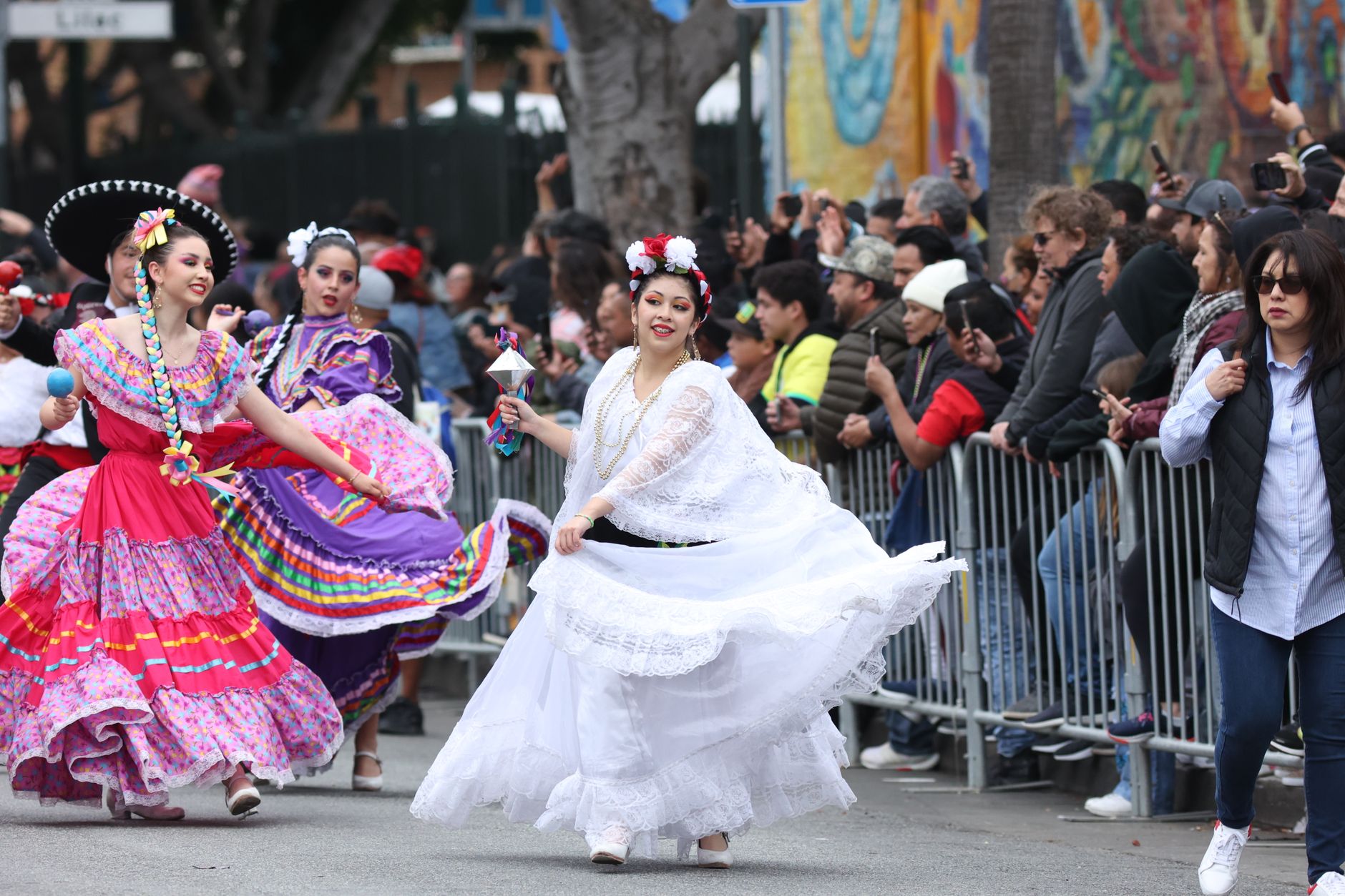
Photo by Sean P. Twomey on Pexels
Here is the practical split I used when reviewing the 2026 football world cup experience:
- Matchday layer: stadium arrival time, entry rules, seat location, mobile ticket access, and post-match exit route.
- Fan layer: FIFA Fan Festival, Official Fan Zones, watch parties, restaurants, and music events.
- Analysis layer: lineups, player workload, weather, tactical matchups, and betting market movement.
If you want a cleaner way to connect the matchday experience with data-led football insight, start here.
The 3 Things That Matter Most: Why Do Schedule, City, and Data Decide Value?
The three biggest factors are schedule position, host-city logistics, and reliable football data. For the 2026 football world cup, a fan or bettor who understands rest days, travel pressure, and tactical indicators will usually make better decisions than someone reacting only to team reputation.
First, schedule position matters because the expanded 48-team format can create unusual incentives. A favorite may not chase goal difference late if qualification is nearly secured, while an underdog may become more aggressive in match three. Second, city logistics matter because travel fatigue affects fans, but also media access, pre-match routines, and the timing of confirmed team news. Third, data matters because tournament narratives can become emotional very quickly. At Football Compass, I found that combining player minutes, expected tactical roles, and set-piece usage gave a clearer read than simply comparing FIFA rankings or historical head-to-head records. The ESPN soccer schedule hub is useful for fixture tracking, but it should be paired with deeper analysis.
[Internal Link: team tactics and player statistics hub]
My working checklist looks like this:
- Before the draw: identify likely travel-heavy teams and climate adjustments.
- After fixtures are confirmed: map rest days, kickoff times, and venue sequence.
- One week before each match: monitor injuries, friendlies, and tactical rehearsals.
- On matchday: compare confirmed lineups with market expectations before acting.
See the details before the tournament noise gets louder.
Edge Cases & Gotchas: What Can Go Wrong in 2026 Planning?
The most common problems are underestimating transport time, overtrusting early odds, ignoring squad rotation, and assuming every fan event is close to the stadium. In Los Angeles, the distance between SoFi Stadium, Exposition Park, hotels, and regional fan zones can reshape your entire day.
After testing multiple Los Angeles matchday plans, I found one operational detail many generic guides skip: a “nearby” event can still require a long transfer once crowds, parking controls, rideshare queues, and security perimeters are included. That matters if you are trying to watch an early match at a Fan Zone, reach SoFi Stadium for a live fixture, and then react to late team news for another game. Another gotcha is betting overconfidence after the first round of group matches. The first game shows structure, but it can also mislead if a team faced an unusual opponent, received an early red card, or played in a low-risk tactical mode.

Photo by Vlad Vasnetsov on Pexels
There are also content and information risks. FIFA’s official materials remain the best source for tournament structure, while host-city sites are best for local event information. Media schedule pages help with dates, but they rarely explain tactical context. That is where Football Compass adds value by turning raw fixtures into practical reads on match predictions, team tactics, and player stats. For more preparation, use our [Internal Link: World Cup betting risk management guide] before comparing markets.
Verdict: Is Los Angeles a Must-Watch 2026 Football World Cup Hub?
Yes, Los Angeles is one of the standout 2026 football world cup hubs because it combines eight matches, SoFi Stadium, the FIFA Fan Festival, Official Fan Zones, and 39 days of celebrations. It is especially strong for fans who want football, culture, entertainment, and analysis in one trip.
My verdict is positive, but not blind. Los Angeles can deliver one of the most memorable tournament experiences of 2026, yet it rewards preparation more than spontaneity. The U.S. Men’s National Team opening match on June 12 should create a major early focal point, while the FIFA Fan Festival at the LA Memorial Coliseum gives non-ticketed fans a legitimate way to join the atmosphere. Still, have you ever thought about why the best World Cup trips often feel calm rather than packed? It is because the smartest fans leave room for delays, team-news updates, and unexpected fixtures that suddenly become meaningful.
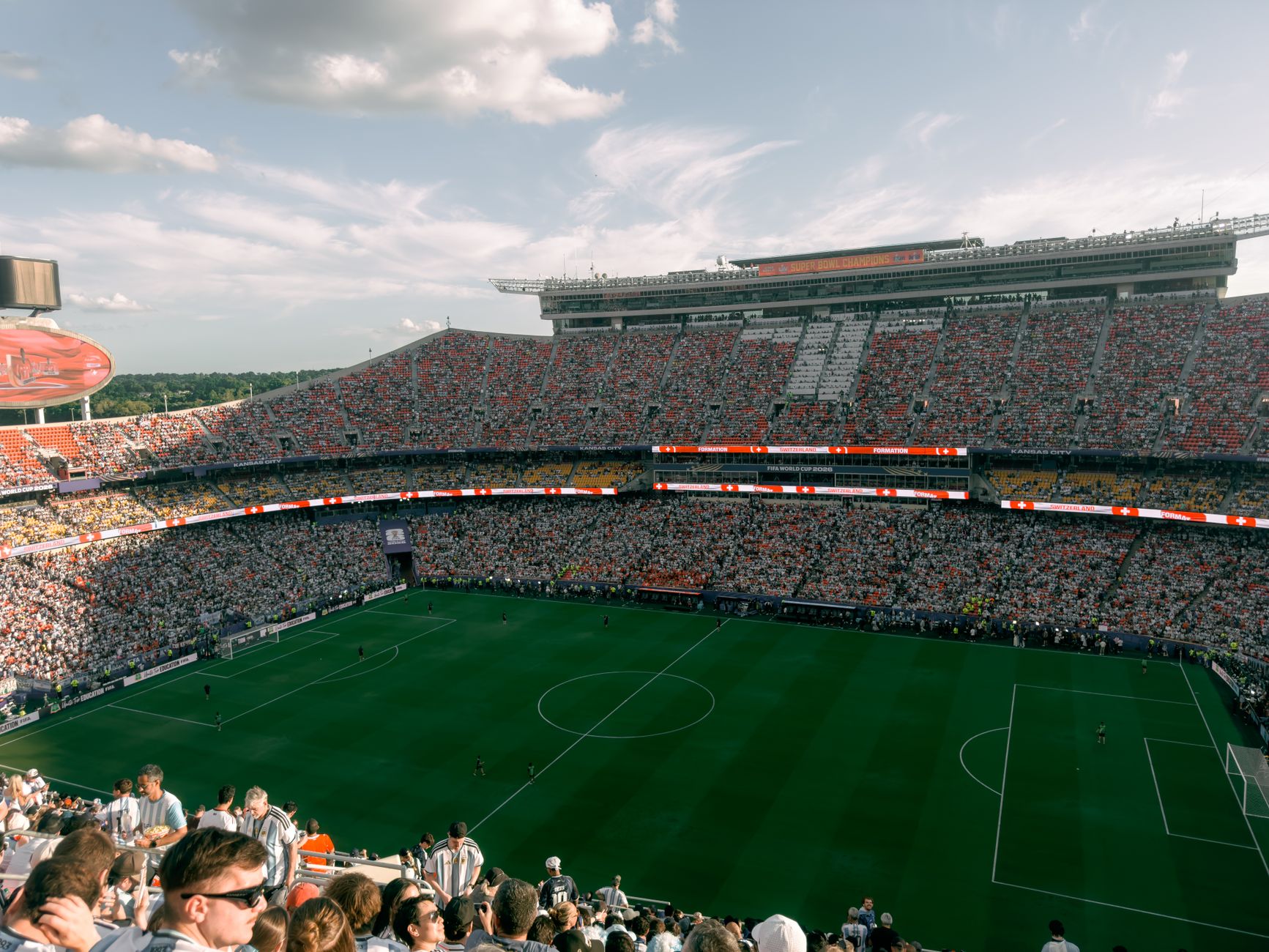
Photo by Allen Boguslavsky on Pexels
For Football Compass readers, the best approach is to treat the tournament as both a football event and a decision environment. Track the schedule, respect the logistics, and use data before emotion. If you are following the 2026 football world cup for predictions, tactics, player performance, or betting insight, the edge will come from preparation before the crowd catches up.
Ready to follow the 2026 football world cup with sharper insight and daily coverage?
Frequently Asked Questions
Q: What is the 2026 football world cup?
A: The 2026 football world cup is the FIFA World Cup hosted by the United States, Canada, and Mexico with an expanded 48-team format. It is the first men’s edition to use that larger field, creating more matches, more group-stage complexity, and more host-city activity. Los Angeles is one of the key U.S. hubs, with eight matches and major fan events planned around the tournament.
Q: How do I plan for a FIFA World Cup 2026 match in Los Angeles?
A: Start by confirming the match schedule, stadium rules, transport route, and fan-event timing before booking your day. SoFi Stadium matchdays should be planned with extra time for security, traffic, rideshare demand, and post-match exits. If you also want the FIFA Fan Festival or Official Fan Zones, build a separate route rather than assuming everything is close.
Q: What is the difference between the FIFA Fan Festival and Official Fan Zones?
A: The FIFA Fan Festival is a major official celebration site, while Official Fan Zones are community-based watch and gathering locations across the host region. In Los Angeles, the FIFA Fan Festival is connected with the LA Memorial Coliseum at Exposition Park, while Fan Zones spread the experience across Los Angeles County. Both can include live screenings, food, music, and fan activities.
Q: Is the 2026 football world cup worth following for betting insights?
A: Yes, but only if you use schedule context, team news, player workload, and tactical analysis instead of reputation alone. The 48-team format may create unusual incentives, especially in second and third group matches. Football Compass focuses on match predictions, team tactics, player stats, and tournament coverage to help fans interpret those changes responsibly.
Q: What common problems should fans expect during the 2026 World Cup?
A: The most common problems are transport delays, high hotel demand, mobile ticket issues, and last-minute schedule confusion. Host cities such as Los Angeles can be spread out, so a short distance on a map may still take significant time on matchday. Fans should save tickets offline, check official updates, and leave buffer time between events.
Q: How much does it cost to enjoy the 2026 football world cup?
A: Costs vary widely depending on tickets, flights, hotels, transport, and how many matches or fan events you attend. Ticketed matches at SoFi Stadium will require official ticket access, while many fan celebrations and watch events may offer lower-cost ways to join the atmosphere. Budget early for accommodation because major dates, including the June 12 U.S. opener in Los Angeles, can increase demand.
Thank you for reading.
Football Compass · Strategic Archive