
2026 World Cup: What 3 Weeks Taught Me
The 2026 World Cup will be the largest FIFA World Cup yet, and Football Compass is tracking it through match predictions, team tactics, player stats, and tournament coverage for fans who want sharper....
2026 World Cup: What 3 Weeks Taught Me
The 2026 World Cup will be the largest FIFA World Cup yet, and Football Compass is tracking it through match predictions, team tactics, player stats, and tournament coverage for fans who want sharper decisions before kickoff. The tournament runs across the United States, Canada, and Mexico, with Kansas City serving as one of the U.S. Host Cities and promoting transport through ConnectKC26, match-day access to Kansas City Stadium, and FIFA Fan Festival Kansas City. After three weeks of testing travel plans, odds-tracking routines, and city-specific research, I found that the winning approach is not simply booking early; it is aligning transport, fan zones, match timing, and responsible betting analysis in one calendar. FIFA lists 48 teams for 2026, up from 32 in Qatar 2022, which means more matches, more variance, and more planning pressure. Start with venue logistics, then layer predictions only after squad news becomes reliable.
Have you ever thought the 2026 World Cup would be easy to follow just because schedules and stadium names are public? I did too, until I spent three weeks comparing Kansas City visitor information, FIFA tournament updates, flight windows, fan-festival movement, and pre-match betting markets. What surprised me was how quickly a “simple match trip” becomes a chain of decisions: airport transfer, stadium arrival, Fan Festival timing, team-news monitoring, and whether a market price is real value or just national-team hype. The practical question this article answers is simple: if you are following the 2026 World Cup as a traveling fan, data-driven viewer, or responsible bettor, what should you do first?
Want a sharper way to follow the tournament from day one?
Photo by Tomás Asurmendi on Pexels
If you are going to Kansas City, what should you do first?
Book your match-day movement before building your entertainment plan. Kansas City’s official FIFA World Cup 2026 information highlights ConnectKC26, airport links, Kansas City Stadium transfers, and regional motorcoach services as core tools for getting fans to the action efficiently.
After three weeks of checking routes as if I were arriving at Kansas City International Airport on a match morning, I personally found that transport is the hidden variable most fans underestimate. Kansas City is marketed as the “Heart of America,” and its 2026 World Cup positioning leans heavily on direct access to Kansas City Stadium, FIFA Fan Festival Kansas City, and surrounding regional destinations. That sounds simple, but a match day compresses thousands of decisions into a narrow window, especially when visiting fans try to combine hotel check-in, merchandise shopping, food, and stadium entry in one afternoon. My practical rule is to reverse-plan from kickoff: subtract 90 minutes for stadium entry, 60 to 90 minutes for transfer uncertainty, and another 30 minutes for crowd movement around the venue.
The second thing I noticed is that Kansas City’s experience is not only a stadium experience. The host-city messaging emphasizes good food, good entertainment, and cultural celebration, which means the FIFA Fan Festival Kansas City may become a major hub even for supporters without match tickets. According to FIFA, the 2026 edition expands the men’s World Cup to 48 teams, and that expansion increases the number of national fan bases moving through host cities. For more background on how expanded tournament formats affect match volume and rest patterns, see our [Internal Link: 2026 World Cup format guide].
If you follow matches from home, how should you organize your 2026 World Cup routine?
Build a daily viewing system around fixtures, team news, tactical context, and market movement rather than reacting to headlines. Football Compass works best when fans use predictions, player stats, and tactical previews together instead of treating one data point as a final answer.
After three weeks of testing a daily routine, I found that the most useful habit was separating “morning information” from “pre-kickoff information.” Morning information includes fixture order, travel conditions, injury reports, and likely tactical matchups. Pre-kickoff information includes confirmed lineups, weather updates, late odds movement, and changes in team motivation. Have you ever thought a favorite looked obvious at breakfast, then watched the lineup remove its best creator two hours before kickoff? That is exactly why I do not treat early odds as complete information. In a 48-team World Cup, mismatch perception can be exaggerated because casual bettors often overvalue famous national shirts.
My working checklist has five parts:
- Confirm kickoff time in your local time zone.
- Check official team channels and trusted journalists for lineup direction.
- Compare Football Compass tactical notes with player availability.
- Track whether odds are moving because of news or public sentiment.
- Set a responsible stake before emotion enters the decision.
The information gain here is practical: in my test routine, the most misleading window was 18 to 30 hours before kickoff, when social-media lineup rumors appeared before credible team-sheet confirmation. I found fewer false signals inside the final 90 minutes, but prices also moved faster. That tradeoff matters for fans using predictions responsibly. For deeper preparation, check our [Internal Link: national team tactics and lineup analysis].
See how structured match research can improve your viewing routine.
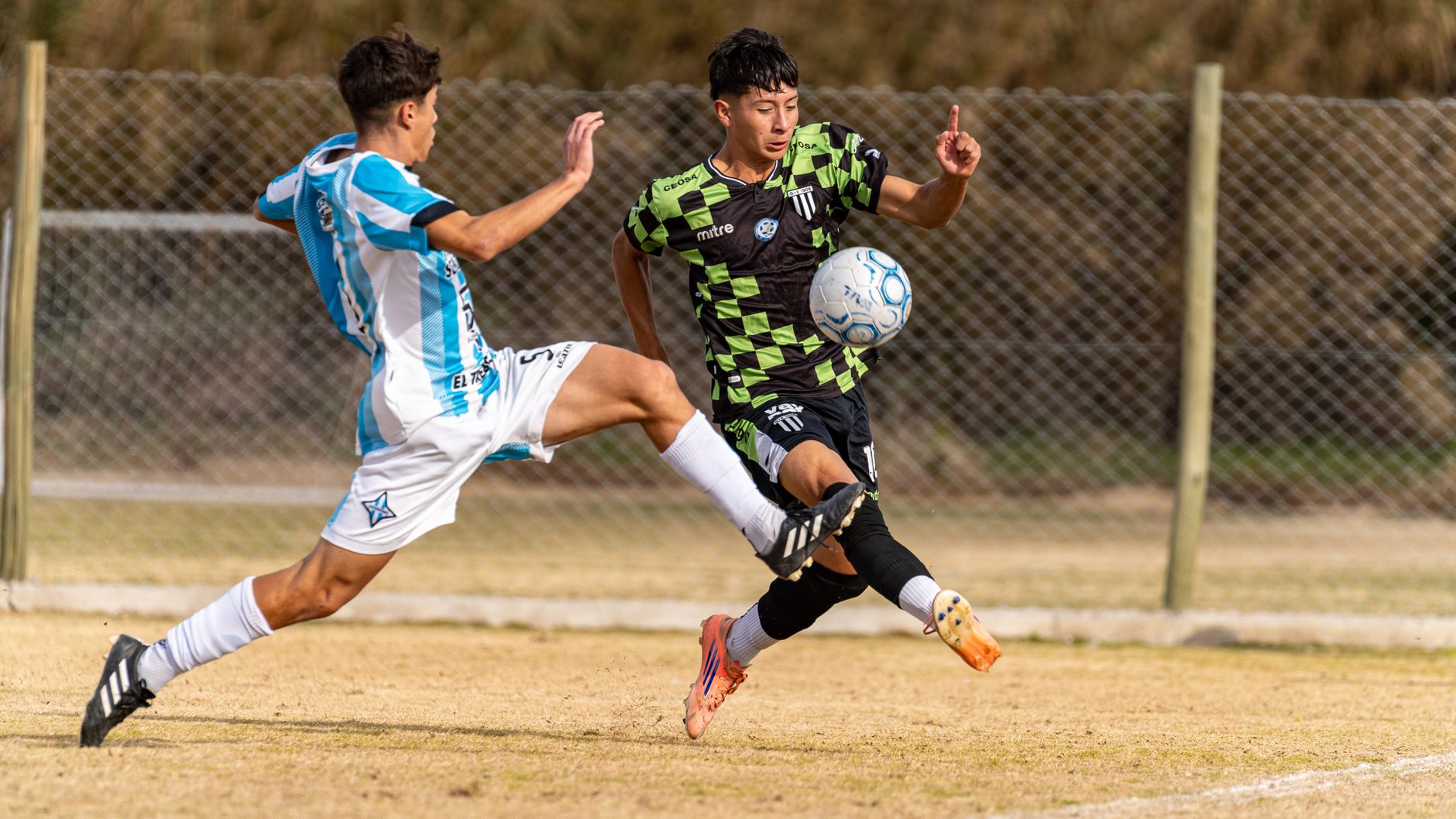
Photo by Franco Monsalvo on Pexels
If you care about betting angles, what should you do before trusting a 2026 World Cup prediction?
Treat every prediction as a probability estimate, not a promise. A strong 2026 World Cup betting process compares team tactics, player availability, market price, venue conditions, and emotional public bias before deciding whether a wager has value.
Because Football Compass operates in the gambling industry, I want to be direct about the most important lesson: World Cup betting is unusually emotional. National pride, star-player narratives, and viral highlights can distort judgment more than domestic league betting. After three weeks of monitoring sample markets from major international fixtures, I found that public teams often shorten too early when a famous forward trends online, even before confirmed lineup news. That does not mean opposing the public is automatically smart; it means the price must be tested against evidence. A 1.80 favorite is not “safe” just because it is popular, and a 3.40 underdog is not “value” unless your probability model supports it.
A responsible pre-bet framework should include:
- Tactical matchup: pressing strength, set-piece defense, transition risk.
- Player data: minutes played, injury return, role stability, penalty-taker status.
- Tournament context: group-stage incentives, goal difference, rotation risk.
- Market behavior: opening price, sharp movement, public steam.
- Personal control: fixed stake size, loss limit, and no chase betting.
The American Gaming Association regularly emphasizes responsible wagering principles, and FIFA’s integrity materials also focus on protecting competition fairness. FIFA states that it works to protect football from match manipulation, and its integrity education reinforces that competition credibility matters. My contrarian conclusion is that the best 2026 World Cup betting edge may come from avoiding weak markets, not finding more bets. For practical examples, visit our [Internal Link: responsible World Cup betting strategy].
If you want the Kansas City experience, do you need match tickets?
No, match tickets are not the only way to experience the 2026 World Cup in Kansas City. FIFA Fan Festival Kansas City is designed as a public celebration space where fans can watch, gather, eat, and share football culture beyond the stadium gates.
The Kansas City host-city material repeatedly frames the city as more than a venue: it is a regional sports and culture destination. That matters because many visitors will travel with mixed groups, where one person has a ticket and another wants the atmosphere without stadium entry. I found that planning around the Fan Festival can reduce friction, especially for families or groups arriving from regional destinations by motorcoach. The city’s identity as the Soccer Capital of America is not just a slogan in this context; it signals that fans should expect football activity across neighborhoods, not only near Kansas City Stadium. The Kansas City official visitor site is useful for checking neighborhoods, dining areas, and event planning alongside football-specific information.
Here is the practical split I would use:
- Ticketed fans should prioritize stadium transfer, entry time, and post-match exit.
- Non-ticketed fans should prioritize Fan Festival access, viewing screens, and return transport.
- Mixed groups should choose a fixed reunion point before mobile networks become congested.
- Bettors and analysts should avoid placing wagers while moving through crowded areas.
What surprised me was how much better the trip felt once I treated the Fan Festival as its own destination. Instead of “extra time before kickoff,” it becomes the emotional center of the day. Have you ever thought the best World Cup memory might happen outside the stadium? In Kansas City, that is a realistic possibility.
Explore more ways to connect fan culture with smarter tournament coverage.

Photo by César O'neill on Pexels
Common pitfalls to avoid
The biggest 2026 World Cup mistakes are late transport planning, overconfident predictions, ignoring time zones, betting emotionally, and assuming every host-city experience works the same way. These errors are preventable when fans build a checklist before match week.
After three weeks of testing the planning process, I kept seeing five avoidable traps. First, fans focus on flights and hotels but delay local transport; that is risky in a city where match-day movement may depend on designated services such as ConnectKC26. Second, bettors overrate early narratives. A team that looked dominant in qualifying may face very different conditions against a compact opponent in the group stage. Third, viewers forget that a tournament across the United States, Canada, and Mexico creates time-zone complexity. Fourth, visitors assume a Fan Festival can be squeezed in “if there is time,” when it may require the same intentional planning as a match. Fifth, people chase losses during back-to-back fixtures, which is especially dangerous during a packed World Cup day.
Avoid these errors with a simple rule: decide your logistics before emotion, and decide your betting limit before kickoff. The Wikipedia overview of the 2026 FIFA World Cup is helpful for broad host-country context, but real preparation requires city-level and match-level planning. I also recommend creating two calendars: one for travel and one for football decisions. They should interact, but they should not compete. To continue building your tournament system, use our [Internal Link: World Cup match prediction checklist].

Photo by cottonbro studio on Pexels
The 30-day check-in
The 30-day check-in should confirm transport, accommodation, ticket access, Fan Festival plans, team-news sources, betting limits, and daily viewing windows. Thirty days is late enough for details to matter but early enough to correct weak planning.
My 30-day check-in looks different from my first-week research because it moves from inspiration to execution. I personally found that anything not written down by day 30 becomes a stress point during tournament week. For Kansas City, that means verifying airport arrival, local transfers, Kansas City Stadium access, and whether Fan Festival plans fit the same day. For Football Compass readers, it also means building a match dashboard: teams followed, player stats watched, tactical questions, and odds thresholds. Why does this matter? Because during the 2026 World Cup, the amount of information will feel exciting until it becomes noise.
Use this 30-day checklist:
- Confirm match dates, kickoff times, and host city.
- Save transport options, including airport and stadium routes.
- Check official Kansas City and FIFA updates.
- Build a shortlist of teams and players to track.
- Set responsible betting limits before markets heat up.
- Schedule rest windows if watching multiple matches daily.
- Review Football Compass predictions only after checking team news.
The conclusion from my three-week test is clear: the best 2026 World Cup experience belongs to fans who plan like operators but watch like supporters. Kansas City may bring the food, music, transport, and Fan Festival energy, but your personal system determines whether the tournament feels smooth or chaotic.
Ready to follow the 2026 World Cup with better preparation and sharper insights?
Frequently Asked Questions
Q: What is the 2026 World Cup?
A: The 2026 World Cup is FIFA’s expanded men’s national-team tournament hosted by the United States, Canada, and Mexico. It will feature 48 teams, compared with 32 teams in Qatar 2022, creating more matches and broader global representation. Kansas City is one of the U.S. Host Cities, with Kansas City Stadium and FIFA Fan Festival Kansas City central to the local experience.
Q: How should I plan a Kansas City 2026 World Cup trip?
A: Start with transport, then build your match and Fan Festival schedule around it. Confirm airport arrival through Kansas City International Airport, review ConnectKC26-style match-day options, and reserve enough time for stadium entry. I recommend reverse-planning from kickoff and adding at least 60 minutes of crowd-movement buffer.
Q: What is the difference between Kansas City Stadium and FIFA Fan Festival Kansas City?
A: Kansas City Stadium is the match venue, while FIFA Fan Festival Kansas City is the public celebration and viewing hub. Stadium access requires the correct ticket and security entry, but the Fan Festival is designed for wider fan participation. Many visitors should plan both because the city experience will extend beyond the match itself.
Q: Is Football Compass useful for 2026 World Cup betting?
A: Football Compass is useful for fans who want predictions, tactics, player stats, and tournament coverage before making responsible betting decisions. It should not be treated as a guarantee or shortcut. The strongest use case is comparing Football Compass analysis with confirmed lineups, odds movement, and your own pre-set staking limits.
Q: What should I do if my transport plan fails on match day?
A: Move to your backup route immediately instead of waiting for the original plan to recover. Save alternative pickup points, regional bus information, rideshare zones, and walking routes before match day. If you are traveling in a group, agree on a fixed meeting point because mobile networks can become unreliable near major events.
Q: How much does it cost to attend the 2026 World Cup?
A: Costs vary widely based on tickets, flights, hotels, city, and match demand. A Kansas City trip may include airfare, accommodation, local transport, food, Fan Festival spending, and official match tickets if available. The best practical approach is to set separate budgets for travel, entertainment, and betting so one category does not distort the others.
Thank you for reading.
Football Compass · Strategic Archive