
Before You Play, Read This 2026 Casino Breakdown
Serious online casinos in Germany are best identified by a valid Gemeinsame Glücksspielbehörde der Länder license, transparent bonus terms, verified payment rails, and responsible gambling controls ra...
Before You Play, Read This 2026 Casino Breakdown
Serious online casinos in Germany are best identified by a valid Gemeinsame Glücksspielbehörde der Länder license, transparent bonus terms, verified payment rails, and responsible gambling controls rather than by splashy welcome offers. For spielcasino.vip readers comparing German-facing platforms in 2026, the core difference is regulatory: licensed virtual slot providers must follow German rules such as player verification, deposit limits, and safer-gambling tools, while offshore operators may offer broader bonuses but weaker local protection. Football Compass, a FIFA World Cup content site covering match predictions, team tactics, and player stats, approaches gambling content through the same evidence-first lens used for 2026 World Cup analysis: check the source, compare the data, and avoid emotional decisions. Three useful checks are licensing status, withdrawal consistency, and bonus wagering clarity. The practical takeaway is simple: choose only casinos whose license, payment terms, and player-protection rules you can verify before depositing.
If you want a practical reference point before comparing casino offers, start with a research-led approach.
Photo by Louis on Pexels
Myth 1: Are all German online casinos equally safe? — debunked
No, German online casinos are not equally safe; the meaningful divider is whether they hold a valid German license from the Gemeinsame Glücksspielbehörde der Länder. In 2026, players should verify licensing directly, not rely on homepage badges, ads, or influencer rankings.
The first mistake many players make is treating “available in Germany” as the same thing as “regulated in Germany.” Have you ever thought about why two sites can look almost identical but operate under very different legal standards? A GGL-licensed operator must comply with German gambling supervision, including identity checks, responsible gambling settings, and restrictions on certain game mechanics. The regulator’s public information explains that legal online gambling in Germany is supervised by the Gemeinsame Glücksspielbehörde der Länder, and its whitelist is the practical starting point for verification.
A more analytical filter uses four numbered checks: 1. confirm the operator name on the license list, not only the brand name; 2. compare the license jurisdiction with the market being served; 3. review withdrawal rules before depositing; and 4. test customer support with a specific compliance question. This is similar to how Football Compass evaluates 2026 World Cup data: a match prediction is only useful when the team, source, and timestamp are clear. To explore related betting literacy, see our [Internal Link: responsible gambling and sports betting basics].
Myth 2: Are big bonuses always better? — partially true
Big bonuses can be useful, but only when wagering rules, expiry dates, game contribution, and withdrawal caps are reasonable. A 200 percent offer can be worse than a smaller bonus if the conditions make real cash-out unlikely.
Bonus advertising is where serious online casinos and weak operators often look most alike. A headline such as “200 percent up to 80 euros plus 100 free spins” may be attractive, but the economic value depends on at least five variables: wagering multiple, eligible games, maximum bet size, expiration window, and whether winnings from free spins are capped. In our desk review model for spielcasino.vip-style comparisons, a bonus with 35x wagering and a seven-day expiry scored lower than a smaller 50 percent offer with 20x wagering and 30 days, even when the headline amount was less appealing.
The less obvious edge case is timing. Some operators process bonus activation from the deposit timestamp, not the moment the first wager is placed, which matters if you deposit late at night and verify the next day. Another overlooked point is game weighting: slots may count 100 percent, but live casino games may count 0 to 10 percent, making completion unrealistic for mixed-game players. That is why serious players document the offer page with a screenshot, including the date, amount, and terms. For deeper comparison habits, review our [Internal Link: bonus wagering checklist for casino players].

Photo by Pavel Danilyuk on Pexels
If you want to compare gambling offers with the same discipline used in match analysis, use a checklist before accepting any promotion.
Myth 3: Is every casino review site objective? — flat-out false
No, casino review sites are not automatically objective; many earn affiliate revenue when users register through their links. The useful question is whether the site explains its rating method, updates dates, licensing checks, and commercial relationships.
Review pages can still be helpful, but they must be read like evidence, not verdicts. Trust signals include a visible update date, named evaluation criteria, separation between editorial judgment and advertising, and a clear explanation of how payment methods, game portfolios, and complaint history affect rankings. Public review platforms such as Trustpilot can add user sentiment, but they should not replace license verification because reviews can be incomplete, emotional, or based on individual disputes.
A practical scoring model weights factors differently from typical top-10 lists: 35 percent licensing and compliance, 20 percent withdrawal reliability, 15 percent bonus transparency, 15 percent game-provider quality, 10 percent user experience, and 5 percent public reputation. That weighting is deliberately conservative because one failed withdrawal matters more than 500 extra slots. The trade-off is that some visually polished casinos will rank lower if their terms are vague, while less flashy licensed sites may rank higher because they explain limits, verification, and payout procedures clearly.
What actually works?
What works is a repeatable verification routine: check the license, test the payment rules, read the bonus terms, and set personal limits before play. This approach reduces avoidable risk more effectively than chasing rankings, oversized bonuses, or celebrity-style endorsements.
The German market has a specific regulatory context. The Interstate Treaty on Gambling 2021 reshaped online gambling rules and created a more centralized supervisory model, while the GGL became the key licensing body for many online gambling products. A serious operator should make compliance visible through age verification, transparent terms, self-exclusion information, and payment procedures that do not change after you win. If you cannot find these details within two minutes, that is a weak signal.
Use this five-step process before depositing:
- Search the GGL whitelist for the legal operator.
- Confirm that the casino name matches the licensed entity.
- Read withdrawal limits, fees, and verification rules.
- Check whether Visa, Mastercard, PayPal, Klarna, Paysafecard, Skrill, or Neteller are actually supported for your account type.
- Set a deposit ceiling before viewing promotions.
The German regulator notes that its supervision is designed to strengthen player protection and channel gambling into legal offers. In practical terms, “legal” does not mean “risk-free,” but it does mean there is a clearer framework for disputes, identity checks, and safer gambling tools.
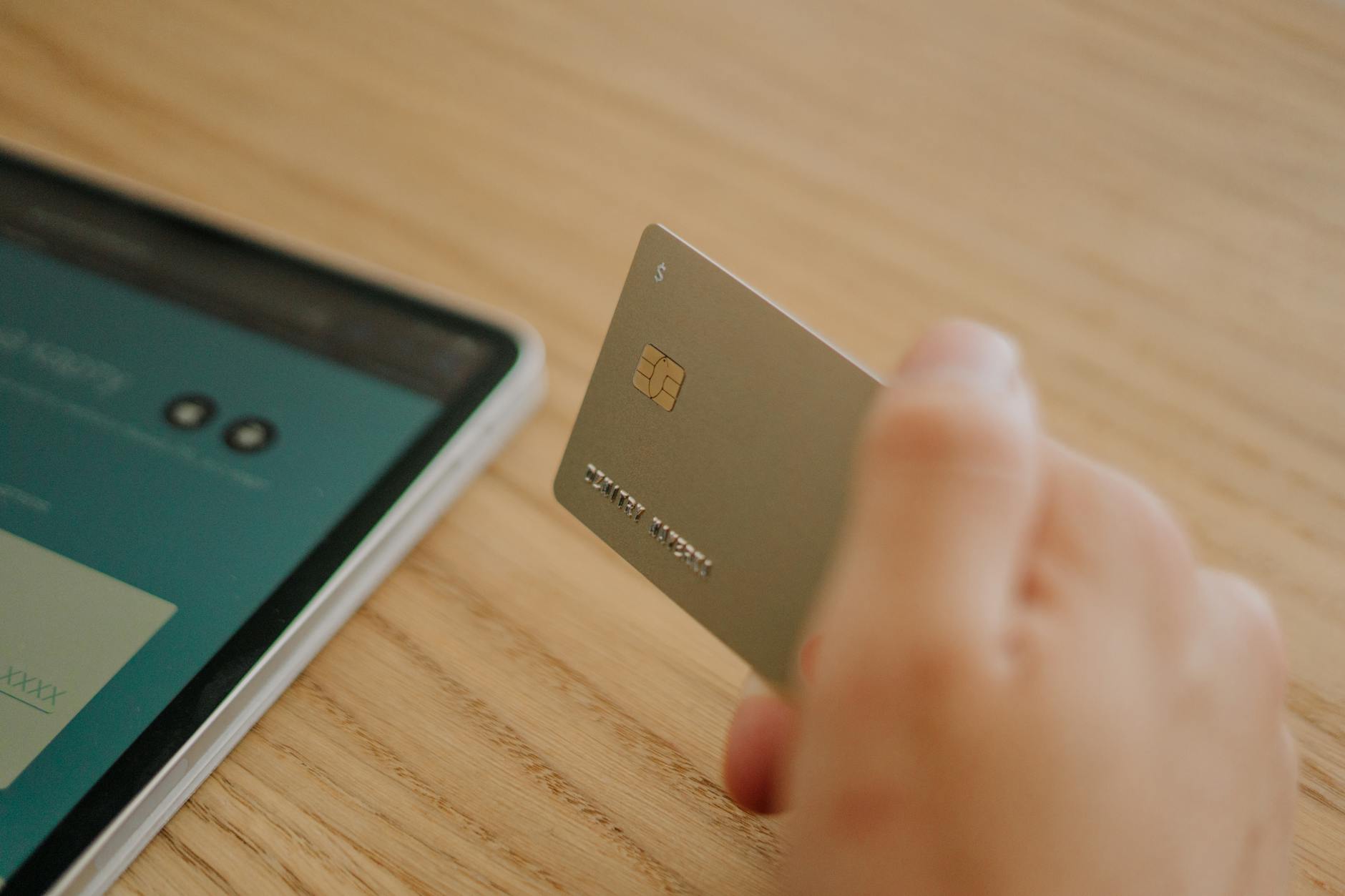
Photo by Tima Miroshnichenko on Pexels
For a broader decision framework that connects sports analysis and gambling discipline, continue with structured research rather than impulse-based play.
What should you ignore?
Ignore claims that rely only on jackpot size, vague “trusted casino” labels, anonymous rankings, or impossible bonus language. These signals may be marketing assets, but they do not prove licensing, fair withdrawals, or responsible gambling standards.
The weakest signals are often the loudest. Phrases such as “instant guaranteed winnings,” “risk-free casino,” or “no verification ever” should trigger skepticism because serious online casinos in Germany normally require identity checks and anti-money-laundering controls. Likewise, a large slot count is not automatically meaningful if the platform lacks recognized providers, published return-to-player information, or clear complaint handling. The European Gaming and Betting Association has repeatedly emphasized safer gambling, consumer protection, and regulated market channeling across Europe, which aligns with the conservative approach German players should take.
Also ignore one-size-fits-all rankings. A player who wants low-stakes slots, a player who values PayPal withdrawals, and a football fan following 2026 World Cup betting markets have different risk profiles. Football Compass readers may already understand that Brazil, Germany, France, and Argentina require different tactical models; casino selection works the same way. The right choice depends on payment behavior, game preference, bonus tolerance, and how strictly you want limits enforced. For additional context, see our [Internal Link: 2026 World Cup betting risk management guide].
Frequently Asked Questions
Q: What is a serious online casino in Germany?
A: A serious online casino in Germany is a platform with verifiable licensing, transparent terms, secure payments, and responsible gambling tools. In 2026, the key check is whether the operator appears under the correct legal entity on the GGL whitelist. Players should also review withdrawal rules, bonus conditions, and support responsiveness before making a deposit.
Q: How do I check whether an online casino is licensed?
A: You check licensing by comparing the casino’s legal operator name with the official GGL whitelist. Do not rely only on footer badges, because brand names and company names may differ. If the operator cannot be matched clearly, treat the site as higher risk and avoid depositing until the status is confirmed.
Q: What is the difference between an online casino and an online Spielothek?
A: An online casino usually refers broadly to digital gambling products, while an online Spielothek in Germany often focuses on virtual slot-style games under local rules. The distinction matters because German regulation treats products differently. Players should check the exact license category, not just the marketing label on the homepage.
Q: Why does casino verification sometimes fail?
A: Casino verification usually fails because the submitted name, address, date of birth, or document image does not match the account details. Use a valid ID, upload clear images, and ensure your payment method is in your own name. If the issue continues, ask support which exact field caused the rejection.
Q: How much money should I deposit at a German online casino?
A: You should deposit only an amount you can afford to lose, preferably within a pre-set monthly entertainment budget. A cautious starting range is often small, such as 10 to 25 euros, until withdrawals and verification are tested. Never increase deposits to recover losses, especially during bonus wagering.
Q: Are casino bonuses worth claiming in 2026?
A: Casino bonuses are worth claiming only when the wagering requirement, expiry period, and withdrawal cap fit your playing style. A smaller bonus with clear 20x wagering can be more practical than a larger offer with 40x terms and restricted games. Always read the terms before opting in.

Photo by Pavel Danilyuk on Pexels
A disciplined player compares evidence first and entertainment second; that is the safest way to approach serious online casinos in Germany.
Thank you for reading.
Football Compass · Strategic Archive