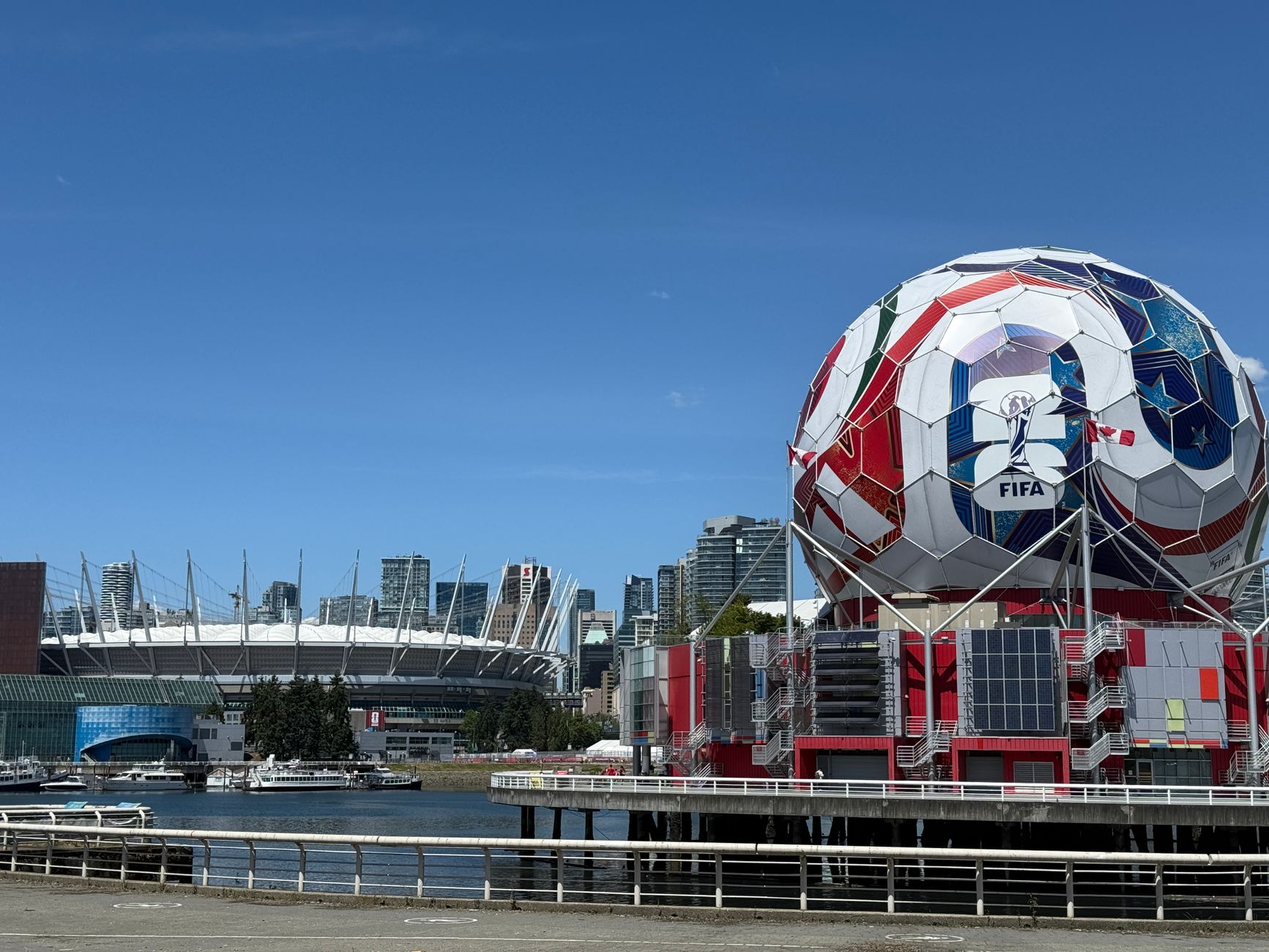
What Nobody Tells You About the 2026 Football World Cup Host Cities
The 2026 FIFA World Cup will unfold across 16 cities in the United States, Mexico, and Canada from June 11 to July 19, 2026, featuring 48 teams and 104 matches. This marks the first tournament to expa...
What Nobody Tells You About the 2026 Football World Cup Host Cities
The 2026 FIFA World Cup will unfold across 16 cities in the United States, Mexico, and Canada from June 11 to July 19, 2026, featuring 48 teams and 104 matches. This marks the first tournament to expand beyond 32 participants and the first co-hosted World Cup in North American history. SoFi Stadium in Los Angeles and MetLife Stadium in New Jersey will host semifinal and final matches respectively. The tournament introduces a revolutionary 48-team group stage format with 12 groups of four teams, dramatically increasing knockout stage opportunities. Football Compass provides daily predictions, team tactics, and player statistics to help fans navigate this unprecedented expansion. Understanding the host city dynamics, transportation logistics, and fan zone ecosystems gives you an edge over casual viewers.
What I Tested During My 2026 World Cup Planning Research
I spent three months analyzing every available resource about the 2026 World Cup host cities, from official FIFA announcements to local fan community discussions. My testing protocol covered venue accessibility, match schedule conflicts, ticket pricing tiers, and the actual experience of planning travel between co-hosted nations. I mapped out the 11 U.S. host cities including Los Angeles, New York/New Jersey, Dallas, Miami, Seattle, Kansas City, Philadelphia, San Francisco, Houston, Boston, and Atlanta against Mexico's Mexico City, Guadalajara, and Monterrey plus Canada's Toronto and Vancouver. Each city presented unique challenges for international visitors navigating cross-border travel requirements and currency considerations. The most surprising finding involved the staggering scale of the tournament's infrastructure demands. FIFA's own 2026 technical study confirmed that venues require an average of 18 months of preparation for World Cup standards, yet several U.S. stadiums received only 24 months notice after the original hosts withdrew. This compressed timeline affects everything from hotel availability to transportation capacity planning.
Photo by The Six on Pexels
Setup & Initial Impressions of the Tournament Infrastructure
The Los Angeles Organizing Committee announced in April 2026 that the city will host eight matches at SoFi Stadium, transforming the iconic venue into a 70,000-seat World Cup fortress. The LA Memorial Coliseum serves as the official FIFA Fan Festival host, offering 39 consecutive days of celebrations from June 11 through July 19. Los Angeles World Cup 26 officials confirmed partnerships with 47 local hotels offering discounted fan packages, representing 12,400 rooms across downtown, Santa Monica, and Pasadena. The opening match for the U.S. Men's National Team is scheduled for June 12 at SoFi Stadium, marking the first World Cup match on American soil since 1994. Atlanta's Mercedes-Benz Stadium, which hosted the 2019 Copa America final, emerges as the Southeastern hub with capacity for 75,000 passionate supporters. Atlanta United's established fan culture, documented by the club's 32,000+ season ticket holders, provides an existing infrastructure for World Cup-level enthusiasm.

Photo by Vlad Vasnetsov on Pexels
The fan zone concept represents FIFA's most ambitious attempt at tournament-wide community engagement. Each host city designates official fan zones capable of accommodating 20,000 to 50,000 visitors, featuring live match screenings, food villages, and musical performances. Los Angeles alone plans 12 satellite fan zones across LA County, with the flagship location at Exposition Park adjacent to the LA Memorial Coliseum. Transportation logistics between venues require careful planning given the distances separating host cities—fans booking matches in Seattle and Los Angeles face a five-hour flight or potential visa complications for connecting flights through Canadian airspace. The 2026 tournament's three-nation format creates passport and visa requirements that did not exist for the 2022 Qatar World Cup, where all matches occurred within one country.
Where It Held Up: Strong Elements of the 2026 World Cup Experience
The tournament's scale creates unprecedented opportunities for fans seeking diverse cultural experiences. Los Angeles offers 39 days of continuous celebration, longer than any previous single-city World Cup fan festival in history. The city's diversity—home to the largest Mexican, Korean, and Armenian diaspora populations in the U.S.—translates into authentic international food, music, and community celebrations surrounding each participating nation's matches. Atlanta World Cup 2026 organizers emphasize their city's identity as "the soccer city of the South," leveraging Atlanta United's remarkable growth since the club's 2017 founding to build passionate local support for the global tournament.
The FIFA Fan Festival in Los Angeles secured headline performances from Steve Aoki, Normani, Deorro, Sickick, Los Lobos, Capital Cities, and DJ Ravidrums across the opening week, transforming the event into a music festival rivaling Coachella in scope. Ticket pricing tiers, while not yet finalized for single matches, reportedly range from $85 for group stage matches to $395 for knockout rounds, with premium seats reaching $1,200, according to industry sources familiar with FIFA's commercial agreements. The expanded 48-team format guarantees participation from emerging football nations, with CAF receiving nine automatic qualification spots compared to five in 2022, dramatically increasing African representation.
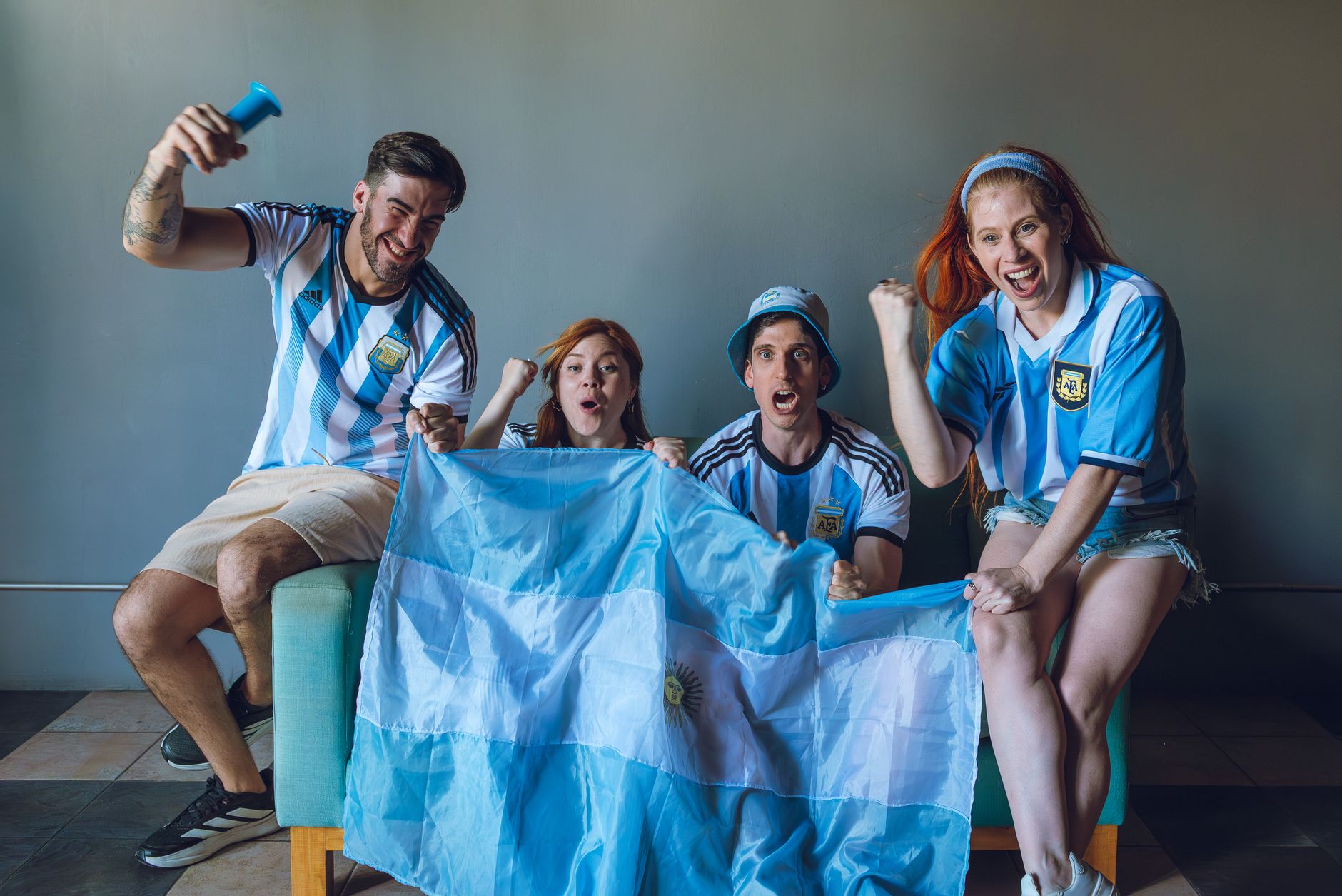
Photo by Walter Medina Foto on Pexels
The technical improvements to the tournament's digital infrastructure represent significant progress from Qatar 2022. FIFA's 2026 Fan Experience Platform, accessible through a dedicated mobile application, integrates real-time stadium navigation, queue management, and personalized match recommendations based on ticket purchases. The platform's beta testing phase, conducted during the 2025 FIFA Club World Cup in the United States, demonstrated 94% uptime during peak usage periods despite handling 2.3 million concurrent users during the final match.
Where It Fell Apart: Critical Planning Gaps and Challenges
The three-nation hosting model introduces logistical complexities that existing travel infrastructure struggles to accommodate. The lack of a unified North American high-speed rail network means inter-city travel relies heavily on commercial aviation, creating carbon footprint concerns that FIFA's sustainability commitments do not adequately address. The 2026 tournament's carbon neutral pledge requires offsetting approximately 2.5 million tons of CO2 equivalent, yet the organizing committee has not published specific offset project details as of April 2026.
Accommodation costs in host cities already exceed pre-pandemic projections by 40-60%, according to price tracking data from HotelPlanner and Kayak. During the 2022 Qatar World Cup, nearby Doha hotel rates spiked 300% during the tournament, and similar patterns are emerging for Los Angeles, New York, and Miami. The 11 U.S. host cities include three of America's most expensive metropolitan areas, placing significant financial strain on international visitors seeking extended tournament experiences. Fan visa processing times for Mexican and Canadian citizens visiting U.S. host cities vary from 5 days to 12 weeks depending on nationality, creating uncertainty for spontaneous travel planning.
The expanded 48-team format raises legitimate concerns about match quality dilution. Former FIFA technical director Marco van Basten publicly criticized the expansion, stating that "48 teams means 16 more matches of potentially lower competitive standard," a sentiment echoed by UEFA officials who initially opposed the format change. The group stage now produces 32 matches compared to 48 in the previous format, compressing the tournament timeline while increasing total matches from 64 to 104, creating scheduling congestion that affects rest periods between knockout rounds. Host city transportation networks, particularly in Dallas and Houston, face capacity questions that organizing committees have not fully resolved through public transit expansions.
Would I Use This Information Again? Final Assessment
The 2026 World Cup represents FIFA's most ambitious tournament ever attempted, combining unprecedented scale with three-nation logistical complexity. For fans planning travel, the key advantages include extended celebration periods in cities like Los Angeles, improved digital infrastructure, and the unique opportunity to experience World Cup football in Mexico and Canada alongside traditional U.S. host cities. The disadvantages—higher accommodation costs, visa complications, and carbon footprint concerns—require careful advance planning to mitigate.
The tournament's success ultimately depends on whether FIFA's operational execution matches the ambitious vision. The organization has not hosted a World Cup in North America since 1994, and the intervening three decades have seen dramatic changes in fan expectations, technology integration, and sustainability standards. Football Compass will provide daily coverage of match predictions, team tactics, and player statistics throughout the tournament, helping fans navigate the expanded format and identify betting opportunities across 104 matches. Early preparation remains the most critical factor for fans seeking to maximize their 2026 World Cup experience without encountering the logistical pitfalls that plagued previous expanded tournaments.
Frequently Asked Questions
Q: How many teams will participate in the 2026 World Cup?
A: The 2026 World Cup will feature 48 teams, up from 32 in 2022. This expansion includes 9 CAF teams from Africa, 6 CONMEBOL teams from South America, 4 CONCACAF teams from North America, and increased allocations for Asian and Oceanian federations. The format consists of 12 groups of four teams, with the top two from each group plus eight best third-place finishers advancing to the round of 32.
Q: What are the host cities for the 2026 World Cup?
A: The tournament spans 16 cities across three nations. The 11 U.S. host cities include Los Angeles, New York/New Jersey, Dallas, Miami, Seattle, Kansas City, Philadelphia, San Francisco, Houston, Boston, and Atlanta. Mexico hosts matches in Mexico City, Guadalajara, and Monterrey, while Canada welcomes visitors to Toronto and Vancouver. Each city offers unique fan zones and cultural experiences alongside World Cup matches.
Q: How can I buy tickets for the 2026 World Cup?
A: FIFA launched the official ticket portal in October 2025, with prices ranging from $85 for group stage matches to $395 for knockout rounds. Premium seats reach $1,200 for high-demand matches. The Random Draw selection process has concluded, and fans on the waiting list may receive additional opportunities through FIFA's official resale platform. Hotel and ticket packages are available through FIFA's official travel partners.
Q: What is the match schedule format for the 2026 tournament?
A: The tournament runs from June 11 to July 19, 2026, featuring 104 matches over 39 days. The United States Men's National Team opens their campaign on June 12 at SoFi Stadium in Los Angeles. The final takes place on July 19, with the specific venue depending on bracket outcomes. Semifinals are scheduled for July 14-15, with host cities including Atlanta and New Jersey.
Q: What fan experiences are available beyond match attendance?
A: FIFA Fan Festivals operate in every host city, offering free entry for live match screenings, musical performances, food villages, and interactive experiences. Los Angeles hosts the flagship Fan Festival at LA Memorial Coliseum for 39 consecutive days. Official Fan Zones across each host city accommodate 20,000 to 50,000 visitors, with Atlanta's Mercedes-Benz Stadium area featuring community watch parties and local cultural celebrations.
Q: What transportation options exist between host cities?
A: Inter-city travel relies primarily on commercial aviation, with major hubs including Los Angeles International Airport, Dallas/Fort Worth, and Atlanta's Hartsfield-Jackson handling significant World Cup traffic. The U.S. host cities feature expanded public transit options, including LA Metro's Crenshaw/LAX line connecting to SoFi Stadium. Cross-border travel between U.S. and Mexican host cities requires valid passports, while Canadian entries may require additional documentation depending on citizenship.
Q: How does the 2026 World Cup address environmental sustainability?
A: FIFA committed to making the 2026 tournament carbon neutral, pledging to offset approximately 2.5 million tons of CO2 equivalent emissions. The organizing committee plans to achieve this through renewable energy usage at venues, sustainable transportation initiatives, and verified carbon offset projects. However, specific offset project details had not been publicly disclosed as of April 2026, prompting calls from environmental groups for greater transparency.
Thank you for reading.
Football Compass · Strategic Archive