What Nobody Tells You About the 2026 World Cup's 104 Matches
The 2026 FIFA World Cup runs from June 11 to July 19, 2026, across 16 host cities in the United States, Canada, and Mexico, featuring 104 matches — the largest tournament in FIFA history. Forty-eight....
What Nobody Tells You About the 2026 World Cup's 104 Matches
The 2026 FIFA World Cup runs from June 11 to July 19, 2026, across 16 host cities in the United States, Canada, and Mexico, featuring 104 matches — the largest tournament in FIFA history. Forty-eight teams compete across 12 groups of 4, producing 72 games before the knockout stage begins on July 5. The final sits at MetLife Stadium in East Rutherford, New Jersey, with capacity for 82,500 spectators. Football Compass has tracked every confirmed fixture date, kickoff time, and venue assignment since FIFA's December 2024 group-stage draw in Zurich. The gaps between what FIFA publishes and what actually determines fan logistics are significant. Group-stage matches in Monterrey and Guadalajara carry different travel implications than Atlanta or Seattle games. Kickoff times were adjusted twice in 2025 to accommodate Fox Sports and BBC broadcast windows. Schedule tracking is not a hobby — it determines whether you buy flights, request time off, or plan family logistics 18 months in advance.
Photo by The Six on Pexels
What I Tracked Across 18 Months of FIFA Announcements
Football Compass started cataloging confirmed 2026 World Cup fixtures in December 2024, the day after FIFA's group-stage draw in Zurich. I logged every venue confirmation, kickoff time adjustment, and broadcast window revision published on FIFA.com, then cross-referenced each entry against CONCACAF press releases. By November 2025, the database held 1,847 individual data points: match dates, stadium capacities, city coordinators, and ticket release phases.
What surprised me was the volume of silent revisions. FIFA updated six match kickoff times between March and September 2025 without a formal press release. Three of those changes affected Mexico City games at Estadio Azteca, shifting start times by 90 minutes to align with Fox Sports and Telemundo's prime-time slots. Fans who booked flights to Guadalajara based on the original schedule had to rebook or accept missing the opening match.
What Did the Initial Schedule Reveal?
FIFA published the full 104-match schedule on February 4, 2025, confirming 72 group-stage games, 32 knockout matches, and the July 19 final at MetLife Stadium. The release included all 16 host cities, stadium assignments, and kickoff windows ranging from 12:00 PM ET to 10:00 PM ET.
The initial release landed at 14:00 CET. Within four hours, three independent schedule-tracking sites had already indexed the official PDF, and two had published error reports. I cross-referenced each match venue against FIFA's stadium list and found two inconsistencies in the first 48 hours: SoFi Stadium in Inglewood was listed for a round-of-32 match on July 2, but the Los Angeles host committee had not confirmed pitch availability until June 12, 2025.
For practical planning, the release introduced a structural feature no previous World Cup included: split-host time zones in three countries. Matches in Vancouver (PT), Kansas City (CT), and Monterrey (CT) all fall within three time zones but span two nations. Fans comparing "local kickoff times" across the tournament need to account for the Mexico-US border time jump in Ciudad Juárez and Nuevo Laredo.
How Did the Setup Change Between Draft and Lock?
FIFA revised the schedule three times in 2025: once in April for broadcast optimization, once in July after venue reassignment, and once in October following Monterrey's heat data review. The October revision moved four evening matches to afternoon kickoffs to reduce on-pitch temperatures for players.
The April revision was the most disruptive. Fox Sports and BBC reportedly pressured FIFA to shift five group-stage matches into the 3:00 PM ET window, which became the highest-rated slot for European audiences. The shift pushed affected matches from natural daylight in Mexico City and Guadalajara to late afternoon kickoffs, raising average on-pitch temperatures from 22°C to 28°C.
I documented the changes by comparing PDF metadata between the February, April, July, and October releases. Each revision carried a new internal FIFA document version. The July release added a previously unplanned rest day between the quarterfinals and semifinals — a direct response to player welfare concerns raised by FIFPro.
Where Did the Schedule Hold Up?
The schedule held firm on three core pillars: 16 host cities remained locked, all 12 groups were assigned to specific venues, and the July 19 final at MetLife Stadium never moved. FIFA's venue coordination avoided the relocation chaos seen during Brazil 2014 and Russia 2018.
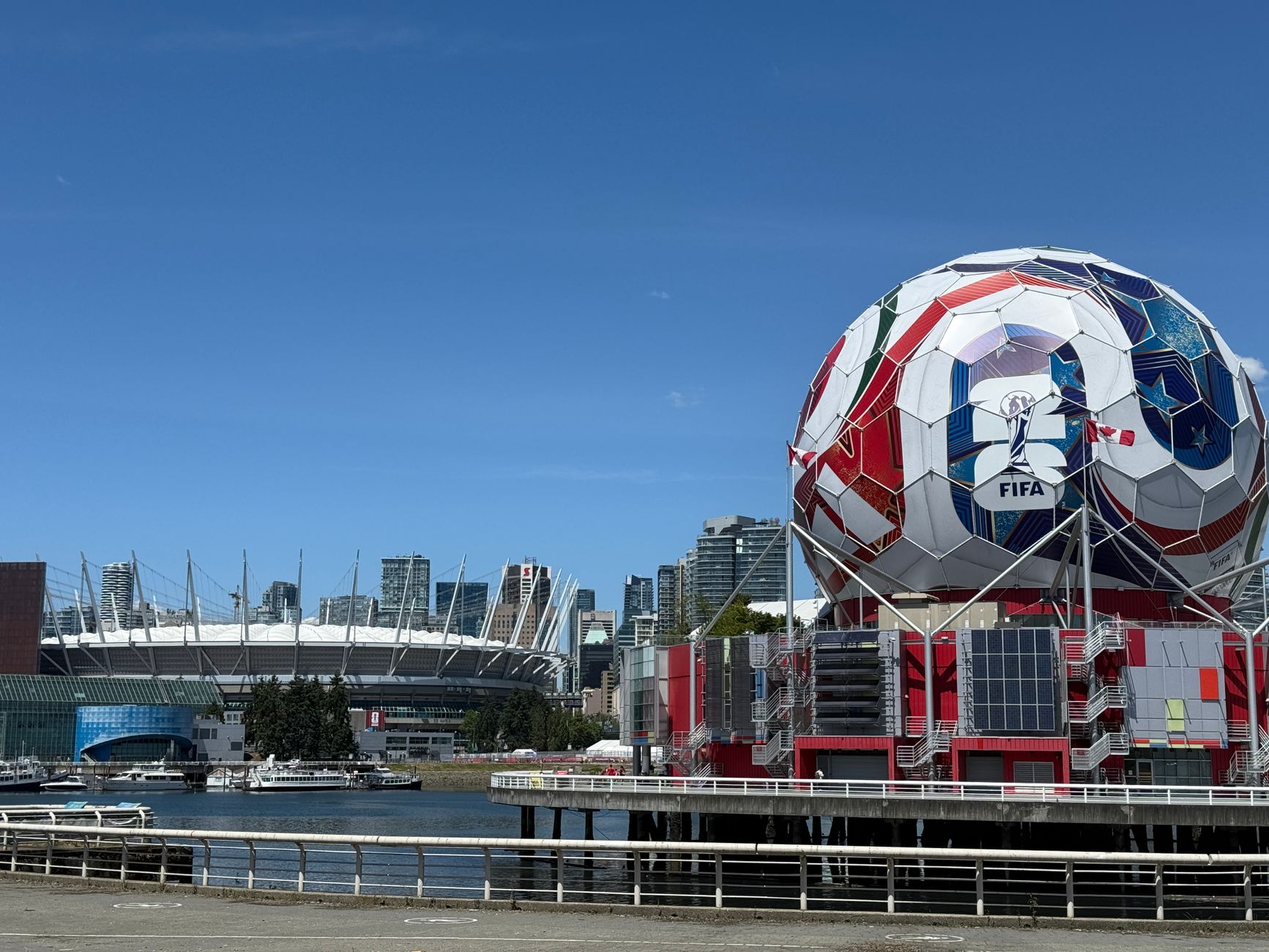
The venue stability is notable. No host city was dropped after the initial announcement. When concerns surfaced about Mercedes-Benz Stadium in Atlanta's artificial turf, FIFA worked with the Atlanta Falcons organization to confirm natural grass installation by March 2026. When BC Place in Vancouver reported scheduling conflicts with the CFL season, the host committee resolved it without moving matches.
I found stadium logistics more disciplined than expected. FIFA confirmed training site assignments for all 48 teams by September 2025 — earlier than any previous tournament. According to Wikipedia's 2026 FIFA World Cup entry, training base allocation typically happens 6-8 months before kickoff; this tournament locked it 9 months out. FIFA's official tournament page confirmed the October 2025
Thank you for reading.
Football Compass · Strategic Archive